

Alternatives to Glossa
Glossa seamlessly translates your sermons into 100+ languages in real time, connecting your congregation like never.
16 alternatives found
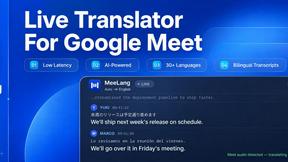
MeeLang
Chrome extension for real-time AI translation in Google Meet. MeeLang delivers low-latency bilingual subtitles, AI summaries, and meeting transcripts.
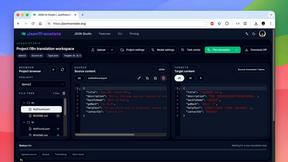
JsonTranslate
Translate JSON, Markdown, and TXT files while preserving keys, nested paths, and project structure.
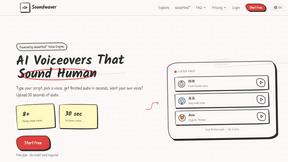

HubVanta
HubVanta is a free AI creative toolkit for generating images, videos, voices, and visual edits from one browser workspace.
Subclip
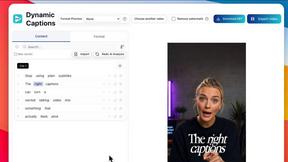
Subclip is an AI-powered platform that edits, captions, and dubs videos with voice cloning, saving creators 80% of their time.
Unicode to Bamini Converter
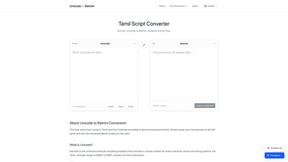
This sophisticated tool instantly converts Tamil text between modern Unicode and the classic Bamini encoding with effortless precision.
MeloLingua
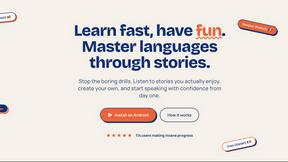
MeloLingua transforms language learning into an engaging journey through personalized stories that spark confidence and.
Hush Touch | Voice-to-Text for MacOS
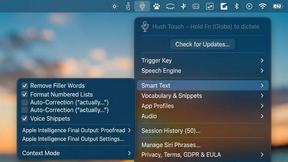
Hush Touch offers intelligent offline voice-to-text dictation for Mac, learning your vocabulary and enhancing accuracy.
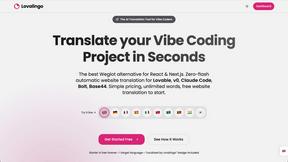
Lovalingo
Effortlessly translate and index your React apps in seconds with Lovalingo's seamless, zero-flash solution.
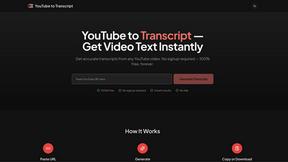
YouTube to Transcript
Effortlessly extract accurate transcripts from any YouTube video, entirely free and without registration, in just.
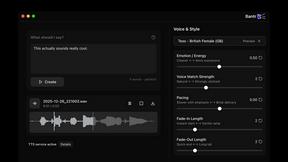
Bantr: Offline & Unlimited TTS for Mac
Bantr is a premium Mac app that generates unlimited, natural voiceovers entirely offline for complete privacy.

KaiCalls
KaiCalls is your 24/7 AI voice agent that captures and qualifies leads, ensuring instant customer engagement and.
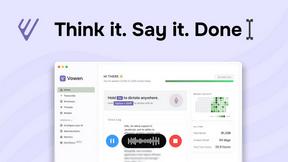
Vowen
Vowen seamlessly converts your voice into text and actions, empowering intelligent automation for effortless.

Pathoura
Pathoura creates instant multilingual audio guides for museums using visitors' own smartphones.

Bargou One
Bargou One is your elegant AI suite for seamless creation, communication, and translation.
About Glossa Alternatives
Glossa is a cutting-edge AI translation service tailored specifically for churches with multilingual congregations, enabling pastors to deliver sermons in over 100 languages seamlessly. With its real-time audio capture, transcription, and translation capabilities, Glossa empowers congregants to engage fully in worship, regardless of their native language. Users often seek alternatives to Glossa for various reasons, including budget considerations, specific feature requirements, or the need for compatibility with existing platforms. When evaluating potential substitutes, it is essential to consider factors such as language support, ease of use, latency in translation, and overall cost to ensure that the chosen solution meets the unique needs of a diverse congregation.
FAQs about Glossa Alternatives
What is Glossa?
Glossa is an AI-driven translation service designed for churches, providing real-time translations of sermons into over 100 languages.
Who is Glossa for?
Glossa is ideal for churches with multilingual congregations, allowing all members to engage in worship regardless of language barriers.
Is Glossa free?
No, Glossa is available for only $5 per language per hour, making it an affordable solution for churches of any size.