
Best Product Development products (10+)
Discover 10+ best product development products. Compare features, pricing, and reviews. Free and paid options available.
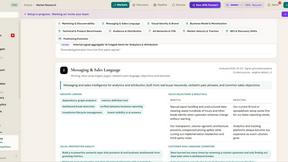
ROIpad
ROIpad tracks competitor messaging and market signals to help established SaaS teams spot positioning drift and defend their market share.
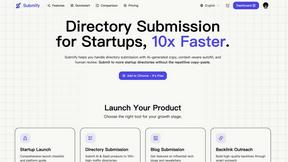
Submify
Submify combines a backlink prospect catalog with Codex-assisted directory submissions and tracking for founders coordinating product marketing.
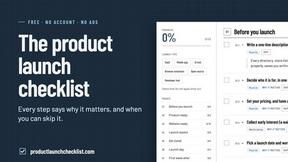
Product Launch Checklist
A free checklist for indie software launches, covering eight phases with tailored steps, skip guidance and browser-saved progress.
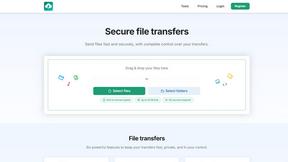
HypeShare
HypeShare provides secure file transfers and upload requests, with free and Pro plans that differ in transfer and storage limits.
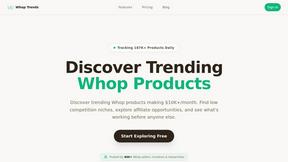
Whop Trends
Whop Trends is a Whop market scanner for finding product niches, comparing growth, and reviewing estimated revenue and affiliate commissions.
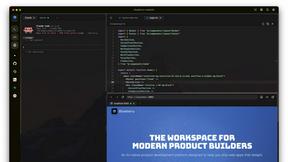
Blueberry
Blueberry gives Mac developers a shared workspace for editing code, running apps and using AI with project context.
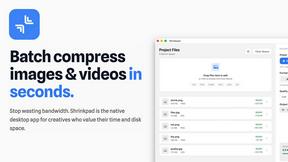
Shrinkpad
Shrinkpad compresses image and video batches on macOS, with local processing and folder import for developers managing app and website assets.
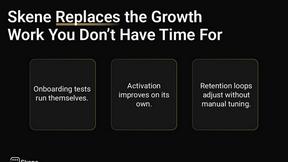
Skene
Skene connects product experiments to code and event data so teams can keep tracking intact and review outcomes against goals.
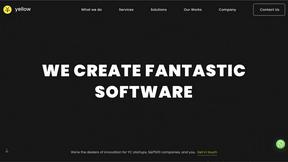
Yellow
Yellow turns business AI opportunities into custom applications, agents, and workflows through assessment and production-oriented engineering.
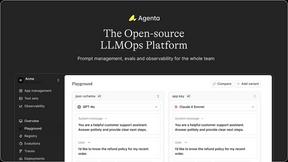
Agenta
Agenta provides a shared workspace for building AI agents, connecting tools and deploying automations to team channels or websites.
Popular Alternatives in Product Development
About Product Development products
Product Development tools help teams plan, design, build, and iterate on digital products through project management, prototyping, user research, feature tracking, and collaboration platforms. This category includes product management software, roadmap tools, user research platforms, feature flagging services, and product analytics solutions.
Whether you are defining a product roadmap, conducting user research, managing feature backlogs, running A/B tests, or coordinating cross-functional product teams, these tools provide the infrastructure needed to build products that users love and that achieve business objectives.
Compare product development tools by their planning features, collaboration capabilities, analytics depth, integration options, and pricing to find the right tools for your product team's workflow and methodology.
FAQs for Product Development
What types of product development tools are listed?
This category includes product management platforms, roadmap and planning tools, user research and feedback platforms, feature flag services, product analytics tools, A/B testing platforms, backlog management tools, and cross-functional collaboration software.
How do product management tools help teams?
Product management tools centralize feature requests, prioritization frameworks, roadmap visualization, sprint planning, and stakeholder communication to help teams align on what to build, when to build it, and why.
Can these tools support agile methodologies?
Yes. Many product development tools support agile frameworks including Scrum, Kanban, and SAFe with sprint boards, backlog management, velocity tracking, retrospective tools, and ceremony management features.
Do product tools integrate with development platforms?
Yes. Most product development tools integrate with Jira, GitHub, GitLab, Linear, and other development platforms to keep product and engineering teams synchronized on priorities, progress, and releases.
Are there tools for user research?
Yes. Several tools specialize in user research with features like survey builders, interview scheduling, usability testing, session recording, feedback collection, and insight synthesis to inform product decisions with real user data.
How do I choose the right product development tool?
Consider your team size, development methodology, key workflow needs, existing tool integrations, and budget. Start with free trials to evaluate the workflow fit before committing to annual plans.