
Best Dev Tools products (57+)
Discover 57+ best dev tools products. Compare features, pricing, and reviews. Free and paid options available.
Egmatic
No-code 2D game editor: visual node logic, drag-and-drop scenes, live preview. Exports to Windows, macOS, Linux, Android, iOS, Web.

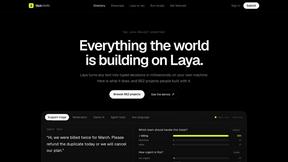
laya.tools
A free directory of 950+ projects built on Laya, the open-source decision model. Updated daily.
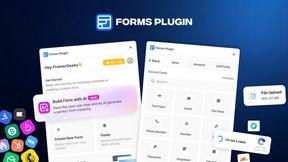
Forms Plugin
The #1 Native Form Builder Plugin for Framer - No Code, No Embeds, No External Platforms.
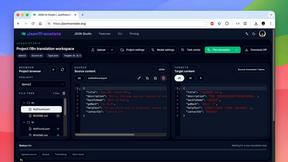
JsonTranslate
Translate JSON, Markdown, and TXT files while preserving keys, nested paths, and project structure.

Flux Lora
Explore Flux LoRA online workflows and the roadmap for models, generation, and training


LiteralKit
Free, no-signup Unicode text tools: superscript, fancy fonts, case converter, symbols. Fast and private.
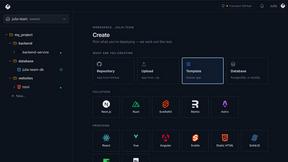
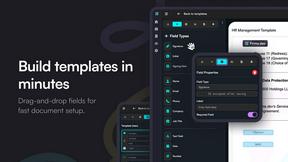
Firma.dev
Pay-as-you-go e-signature API and no-code sending. €0.049 per envelope, no monthly minimums, legally valid in 55+ countries.
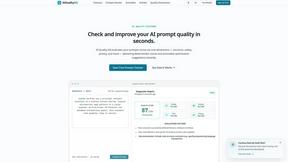
AIQualityHQ
AIQualityHQ delivers instant, deterministic prompt quality analysis across six dimensions to ensure structure, safety, and privacy.
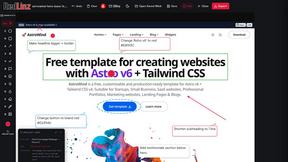
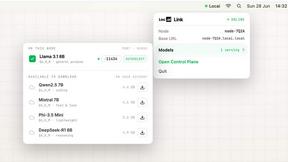
Locai
Locai lets you run powerful AI models on your own hardware, keeping data private and cutting cloud costs.

Best Face Swap
Best Face Swap delivers precise, frame-consistent AI face replacement for both photos and videos.
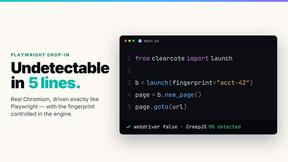

JustLaunched
JustLaunched helps indie makers schedule product launches and reach buyers across curated directories.
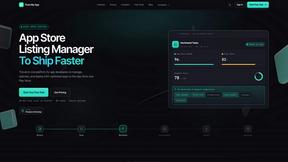
Push My App
Push My App delivers an intuitive dashboard that writes optimized metadata, designs screenshots, scans for rejections, and submits directly to both.

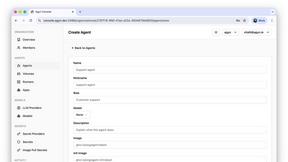
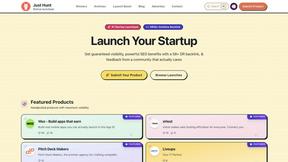
JustHunt
JustHunt is the premier launchpad for startups, offering guaranteed visibility and community feedback to elevate your domain rating and success.
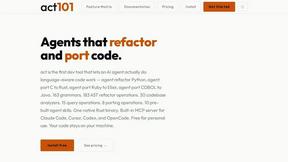
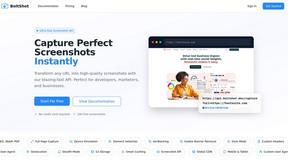
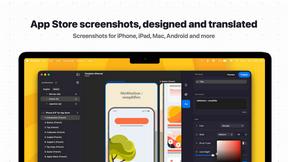

Game Server Backend
Game Server Backend streamlines multiplayer game development by integrating player authentication, data management, and server hosting into a single.
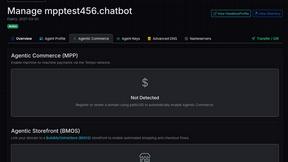
Headless Domains
Headless Domains provides portable, verifiable machine-readable identities for AI agents to establish trust and authorization across applications.
LoadTester
LoadTester is a sophisticated cloud-native platform for engineering teams to orchestrate distributed HTTP and API load tests without infrastructure.
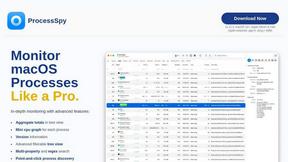
ProcessSpy
ProcessSpy is the definitive macOS process monitor, offering advanced real-time insights with a refined, native Mac experience.

Claw Messenger
Claw Messenger grants your AI agent a dedicated iMessage number for seamless, native communication.

Datamata Studios
Datamata Studios empowers developers with free utilities, premium tools, and live market intelligence to build data-driven careers.

OpenMark AI
OpenMark AI instantly benchmarks over one hundred LLMs on your specific task for cost, speed, and quality without requiring API keys.
Popular Alternatives in Dev Tools
About Dev Tools products
Dev Tools provide developers with the software, platforms, and utilities needed to write, test, debug, deploy, and monitor code more efficiently. This category includes code editors, development environments, debugging tools, CI/CD platforms, API testing tools, version control interfaces, and developer productivity enhancers.
Whether you are writing code, managing deployments, testing APIs, monitoring application performance, or automating development workflows, these tools provide the infrastructure that modern software development demands.
Compare dev tools by their language support, integration ecosystem, performance, collaboration features, and pricing to find the right development tools for your stack and team.
FAQs for Dev Tools
What types of developer tools are listed?
This category includes code editors and IDEs, terminal and CLI tools, API testing platforms, CI/CD solutions, debugging tools, performance monitoring, version control interfaces, code review platforms, and developer productivity extensions.
Are there dev tools for specific programming languages?
Yes. Some tools specialize in specific languages or ecosystems like JavaScript, Python, Go, or Rust, while others provide multi-language support. Check individual listings for language-specific features and compatibility.
How do dev tools improve team productivity?
Dev tools improve productivity through code completion, automated testing, streamlined deployments, collaborative debugging, shared development environments, code review workflows, and integration with project management systems.
Do dev tools support cloud development?
Yes. Many modern dev tools offer cloud-based development environments, remote container support, cloud debugging, and browser-based IDEs that allow developers to work from any device without local setup.
Are there free developer tools?
Yes. Many essential dev tools are open source or offer generous free tiers for individual developers and small teams. Paid plans typically add team management, enterprise security, and advanced scaling features.
How do I choose the right dev tools?
Consider your tech stack, team size, deployment targets, collaboration needs, and budget. Prioritize tools that integrate well with your existing workflow and offer the specific features your development process requires.