
Best AI Assistants products (175+)
Discover 175+ best ai assistants products. Compare features, pricing, and reviews. Free and paid options available.
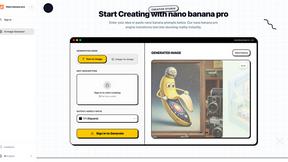
Nanobananapro
Transform your ideas into breathtaking 4K AI art effortlessly with Nano Banana Pro's instant text-to-image capabilities.

conceptviz
ConceptViz transforms intricate scientific concepts into precise, classroom-ready diagrams for educators and.
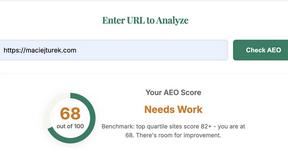
AEO lite
AEO Lite instantly scores and optimizes your content for AI answer engines.
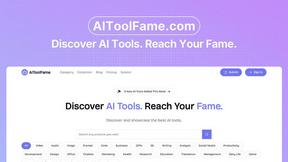
AIToolFame
AIToolFame is the premier curated directory for discovering and showcasing the finest AI tools.
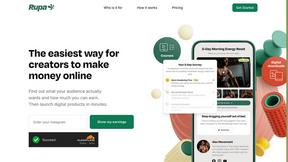
Rupa
Rupa enables creators to effortlessly monetize their audience by launching tailored digital products and services.
TurboStarter
TurboStarter is a premium cross-platform starter kit that ships web, mobile, and extension apps in minutes.
Yellow Systems
Yellow Systems delivers tailored AI and software solutions that fuel sustainable growth for ambitious businesses.
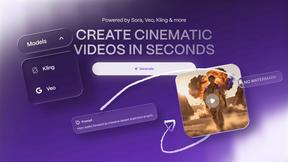
Vailo AI
Vailo AI effortlessly transforms your ideas into stunning, watermark-free videos and images with unparalleled ease and.
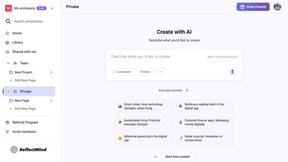
ReflectMind
ReflectMind crafts stunning AI-powered presentations and visual content effortlessly in minutes.

SuccessCX
SuccessCX elevates customer service into a competitive advantage through expert consulting and intelligent automation.
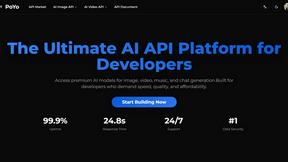
PoYo API
PoYo API empowers developers to seamlessly integrate premium AI models for creating stunning image, video, and music.
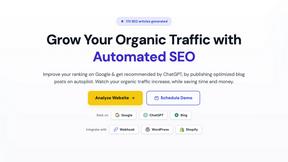
Fast SEO Fix
Fast SEO Fix effortlessly generates and publishes AI-optimized blog posts to elevate your organic traffic and rankings.

Pathoura
Pathoura creates instant multilingual audio guides for museums using visitors' own smartphones.
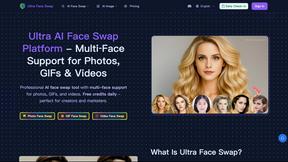
Ultra Face Swap
Ultra Face Swap transforms photos, GIFs, and videos with realistic, multi-face AI replacement.
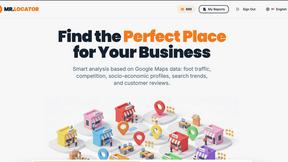
Mister Locator
MR.LOCATOR uses AI to find your business the perfect, data-backed location in seconds.

Global Visa Ally
Global Visa Ally is your AI-powered platform for securing visa-sponsored jobs and global mobility.

ninthsystemsagents
Ninth Systems Agents creates custom AI agents that streamline operations and enhance governance for measurable business.
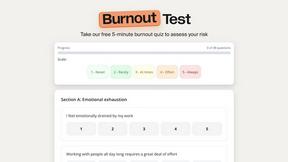
TripleTen Burnout Test
Assess your burnout risk and receive a personalized recovery plan in minutes.
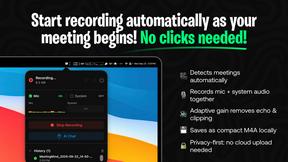
MeetingMind
MeetingMind is your private on-device AI that automatically records, transcribes, and summarizes Zoom meetings.
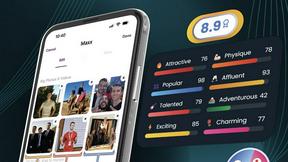
Photomaxxer
Photomaxxer harnesses advanced AI to enhance your dating profile photos, ensuring more meaningful connections.
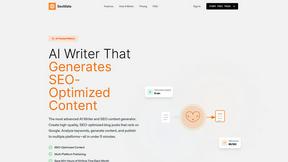
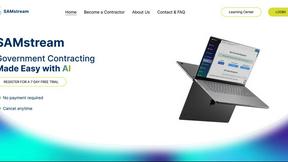
SAMstream
SAMstream is your AI assistant for finding and winning government contracts with precision.

MemMachine
MemMachine empowers AI agents with lasting memory to enhance user interactions through personalized, context-aware.

AI Hairstyle Generator
Visualize any hairstyle on yourself with realistic AI previews before your salon visit.
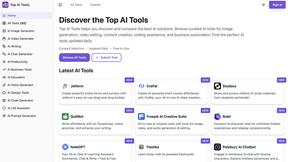
Top AI Tools
Discover and compare the finest curated AI tools for every professional need.
Identify Rock
Identify any stone instantly with your camera to reveal its geological story.
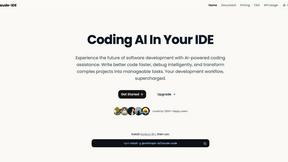
claude-ide
Claude IDE seamlessly integrates AI coding assistance into your terminal and IDE, transforming development with.
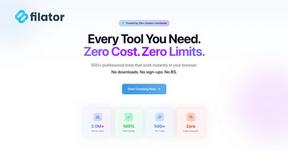
Filator
Filator seamlessly integrates AI tools for creation, conversion, and automation, enhancing your workflow in one elegant.
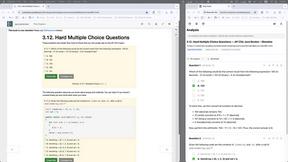
Marauder Bot
Marauder Bot discreetly solves technical interview questions with advanced AI in one click.
Sprinto AI Compliance Kit: Trust Center + AI Security Questionnaire
Sprinto's free kit elegantly automates AI security compliance and builds your trust center.
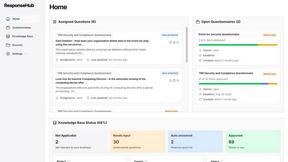
ResponseHub
ResponseHub automates security questionnaires with AI for complete, confident compliance.
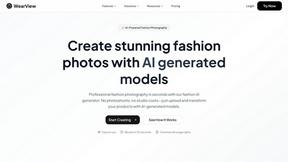
WearView
WearView instantly transforms product photos into stunning AI-generated model visuals for professional fashion.
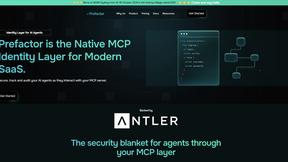
Prefactor
Prefactor governs enterprise AI agents with essential visibility, control, and compliance.
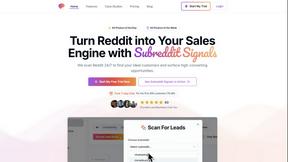
SubRedditSignals
Subreddit Signals effortlessly connects you with your ideal customers on Reddit, transforming leads into sales.
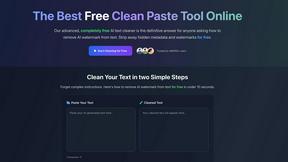
CleanPaste.org
CleanPaste.org instantly removes AI watermarks and invisible characters from your text for free.
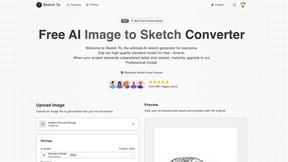
Sketch To
Sketch To effortlessly transforms your images into stunning AI-generated sketches with unmatched precision and detail.
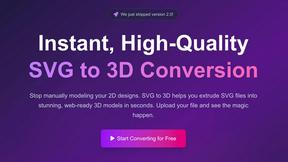
SVG to 3D
Effortlessly transform your SVG files into stunning 3D models with advanced controls and high-quality output.
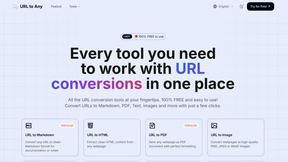
URL to Any
Transform any web content into your desired format effortlessly with URL to Any’s comprehensive and user-friendly tools.
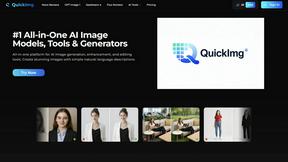
QuickImg
QuickImg is the premier all-in-one platform for professional AI image generation, enhancement, and editing.
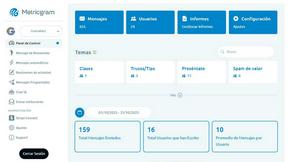
Metricgram
Metricgram seamlessly enhances your Telegram community management with AI insights and automated subscription control.
Popular Alternatives in AI Assistants
About AI Assistants products
AI Assistants are intelligent software tools designed to automate tasks, answer questions, provide recommendations, and streamline workflows using natural language processing and machine learning. These tools range from general-purpose conversational agents to specialized assistants built for customer service, scheduling, research, writing, and data analysis.
Whether you need an AI copilot for coding, a virtual assistant for managing your calendar, or a chatbot framework for your product, this category brings together the most capable AI assistant tools available. Compare features, pricing, and integration options to find the assistant that fits your team's workflow and technical requirements.
Browse AI assistants that help professionals work faster, automate repetitive interactions, and deliver smarter experiences to their users and customers.
FAQs for AI Assistants
What types of AI assistants are listed here?
This category includes conversational AI tools, virtual assistants, AI copilots for coding and writing, customer service bots, scheduling assistants, research agents, and general-purpose AI chat tools that integrate into professional workflows.
How do AI assistants differ from chatbots?
AI assistants typically offer broader capabilities including task execution, context awareness across conversations, integration with external tools, and the ability to handle complex multi-step workflows. Chatbots are generally focused on scripted conversational flows for specific use cases like customer support.
Can AI assistants integrate with my existing tools?
Most AI assistants offer integrations with popular platforms like Slack, Microsoft Teams, Google Workspace, CRM systems, and project management tools. Check individual listings for specific integration capabilities and API availability.
Are AI assistants suitable for business use?
Yes. Many AI assistants are built specifically for business applications with features like team collaboration, enterprise security, audit logging, custom knowledge bases, and role-based access controls that make them suitable for professional environments.
How do I evaluate which AI assistant is right for me?
Consider your primary use case, required integrations, team size, data privacy requirements, and budget. Most tools offer free tiers or trials so you can test capabilities before committing to a paid plan.
Do AI assistants require technical skills to set up?
Many modern AI assistants offer no-code setup with pre-built templates and guided onboarding. More advanced customizations like API integrations or custom training may require some technical knowledge, but basic usage is accessible to non-technical users.