
Best SEO products (66+)
Discover 66+ best seo products. Compare features, pricing, and reviews. Free and paid options available.
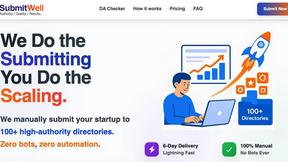
SubmitWell
SubmitWell manually builds your startup's authority through premium directory submissions.
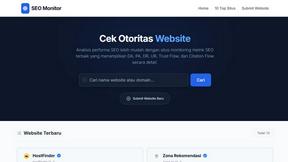
SEO Metrics Monitor
SEO Metrics Monitor delivers precise, real-time authority metrics to elevate your strategic search performance.
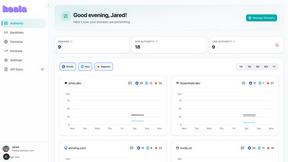
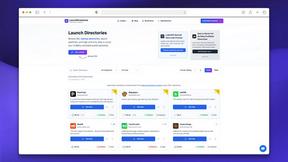
LaunchDirectories.com
LaunchDirectories.com is your curated gateway to premier startup directories for maximum visibility and authoritative.
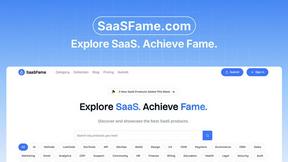
SaaSFame
SaaSFame is the definitive curated directory for discovering the world's most distinguished software products.
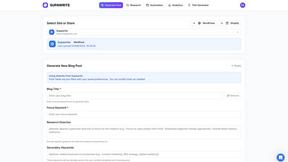
Supawrite
Supawrite automates your SEO content strategy, enabling authoritative rankings and consistent engagement with minimal.
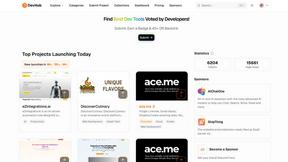
DevHub
DevHub empowers developers to discover top tools and elevate their projects through community-driven insights and.
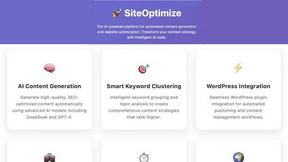
AI Auto Writer
AI Auto Writer transforms keywords into complete, SEO-optimized WordPress posts for effortless publishing.
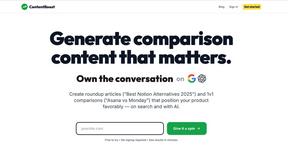
ContentBoost
ContentBoost crafts elegant comparison articles that capture buyers and outrank competitors.

SaasHunt
SaaSHunt elegantly curates and showcases exceptional SaaS products, empowering users to discover and launch innovative.
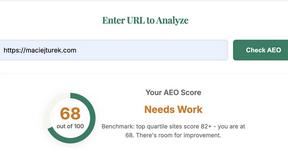
AEO lite
AEO Lite instantly scores and optimizes your content for AI answer engines.
AIToolFame
AIToolFame is the premier curated directory for discovering and showcasing the finest AI tools.
Launch
Launch is the ultimate platform for discovering and showcasing groundbreaking AI products trusted by over 1,900 makers.
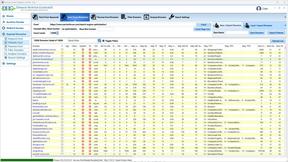
Domain Hunter Gatherer
Domain Hunter Gatherer expertly uncovers premium expired domains with powerful, established backlinks.

Clio Websites
Clio Websites crafts premium, results-driven websites that elevate your brand and accelerate business growth.
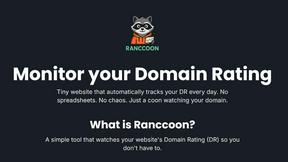
Ranccoon
Ranccoon effortlessly tracks your Domain Rating and safeguards your backlinks, ensuring seamless growth in online.
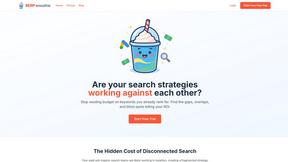
Serp Smoothie
SERP Smoothie unifies your paid and organic search data to maximize ROI and eliminate wasted budget.
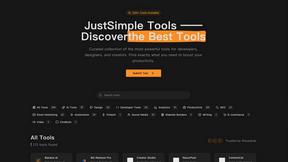
JustSimple Tools
JustSimple Tools is a curated platform empowering developers and creators to effortlessly discover essential.
WISEPIM
WISEPIM harnesses AI to effortlessly craft exceptional product content that enhances visibility and accelerates sales.

Rankai
Rankai is an AI marketing agency that unlocks millions of search visits from Google and ChatGPT.
Submitmysaas
SubmitMySaaS instantly elevates your launch with a verified badge and powerful SEO backlinks.
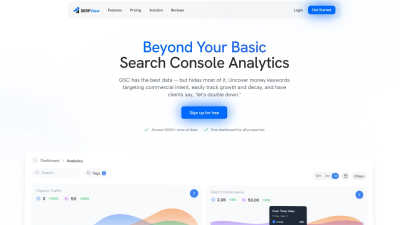
SERPView
SERPView unlocks Google Search Console's hidden data for superior SEO insights and performance tracking.
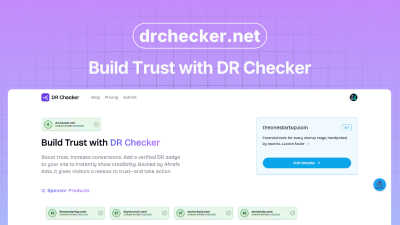
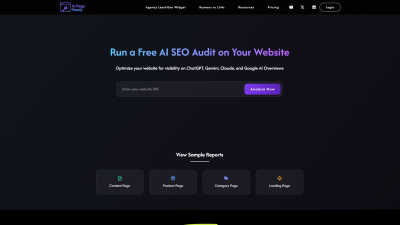
AI Page Ready
Transform your agency website into a powerful lead generator with branded, instant AI SEO audits that capture.
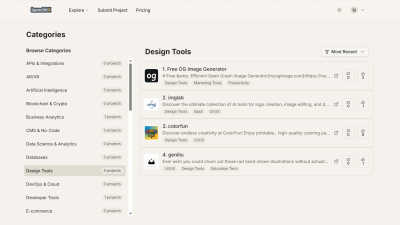
launchitx.com
LaunchitX enables startups to amplify visibility and accelerate growth through impactful product launches and SEO.
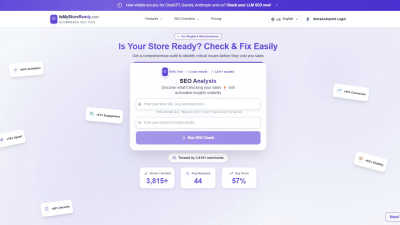
IsMyStoreReady.com
Unlock your eCommerce potential with swift, insightful SEO audits that guide your optimization journey effortlessly.
Popular Alternatives in SEO
About SEO products
SEO tools help marketers, content creators, and web developers improve their website visibility in search engine results through keyword research, site auditing, rank tracking, backlink analysis, and content optimization. This category includes comprehensive SEO suites, specialized keyword tools, technical SEO auditors, and AI-powered content optimization platforms.
Whether you are conducting keyword research, auditing your site for technical issues, tracking search rankings, analyzing competitor strategies, or optimizing content for search engines, these tools provide the data and insights needed to drive organic traffic growth.
Compare SEO tools by their feature coverage, data accuracy, keyword database size, integration options, and pricing to find the right search engine optimization solution for your website and marketing goals.
FAQs for SEO
What types of SEO tools are listed?
This category includes keyword research tools, site audit platforms, rank trackers, backlink analyzers, content optimization tools, local SEO tools, technical SEO auditors, SERP analysis platforms, and comprehensive SEO suites that combine multiple capabilities.
Do I need multiple SEO tools?
Many all-in-one SEO suites cover keyword research, site auditing, rank tracking, and backlink analysis in a single platform. However, some specialized tools offer deeper capabilities in specific areas that may complement your primary SEO suite.
How accurate are SEO tool data?
SEO data accuracy varies by tool and metric. Keyword volume estimates are approximations, rank tracking is highly accurate for monitored keywords, and backlink data depends on the tool's crawl coverage. Cross-referencing multiple tools provides the most reliable insights.
Can SEO tools help with content creation?
Yes. Many SEO tools offer content optimization features including keyword suggestions, topic clustering, content briefs, readability scoring, and competitive content analysis to help create content that ranks well in search results.
Are there free SEO tools?
Yes. Several SEO tools offer free tiers with limited keyword lookups, basic site audits, and rank tracking. Google Search Console and Google Analytics are free tools that provide valuable SEO data directly from Google.
How do I choose the right SEO tool?
Consider your SEO priorities, team size, number of websites, keyword database needs, and budget. Start with free trials to evaluate data quality, interface usability, and feature coverage before committing to annual plans.